Unlocking Sustainability: The Essential Role of Environmental Consulting in Business Growth
Adopting sustainable practices is becoming an essential focus for organizations pursuing development. Green advisory services provides critical guidance in this transformation. These experts help companies navigate complex regulations, enhance efficiency, and improve brand reputation. As environmental responsibility moves to the forefront, businesses need to evaluate how such initiatives affect their processes and market viewpoints. The implications of adopting sustainable strategies go discover the facts beyond meeting requirements, leading to significant changes in market dynamics. Which factors are fueling this change?
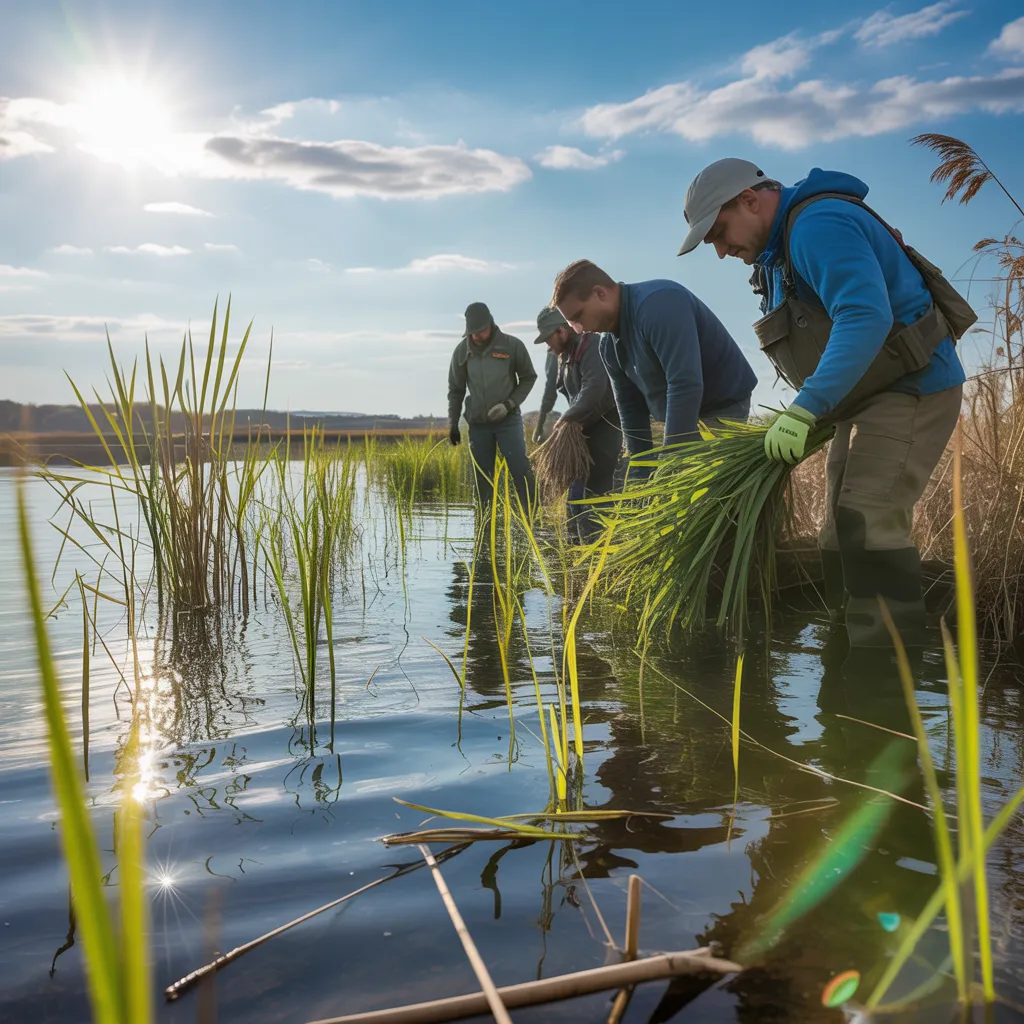
What Environmental Consulting Is and Why It Matters?
Environmental consulting serves a vital role in steering organizations toward sustainable operations. This expert discipline includes a variety of services designed to assess environmental impacts, ensuring regulatory compliance, and advancing sustainable resource management. Environmental consultants assess projects for potential ecological effects, providing approaches to reduce risks and improve sustainability. Their knowledge is essential in navigating intricate regulations, assisting businesses in avoiding expensive penalties while building a responsible corporate reputation.
In addition, environmental consulting helps companies identify potential efficiency gains, such as waste reduction and energy conservation. When weaving sustainability into corporate operations, enterprises can build creative approaches that minimize costs and elevate overall productivity. As global environmental concerns continue to grow, the necessity of advisory services becomes more prominent than ever. This domain not only upholds compliance and responsible practices but also reinforces the lasting success of organizations in an environmentally aware business landscape. Above all, environmental consulting remains an indispensable factor in the ongoing quest for sustainable growth.
How Environmental Consulting Supports Business Growth
Environmental consulting plays an essential role in fostering business expansion by ensuring compliance with environmental regulations, which can prevent costly fines. Moreover, these services often contribute to money-saving approaches that strengthen operational productivity. As companies implement sustainable initiatives, they also improve their brand reputation, appealing to sustainability-focused consumers.
Conformity With Regulations
Navigating the complexities of compliance regulations is vital for businesses aiming for sustainable growth. Ecological consulting serves a crucial function in helping organizations navigate these intricate regulations. By providing expertise in ecological regulations and guidelines, consultants support companies in recognizing their responsibilities and integrating compliance into their operational frameworks. This forward-thinking strategy reduces the likelihood of regulatory sanctions and enhances corporate reputation. Moreover, consultants can detect areas of compliance vulnerability and suggest approaches for comprehensive risk mitigation. As businesses bring their activities into regulatory alignment, they not only protect their business interests but also draw sustainability-minded clients and stakeholders. Ultimately, effective compliance fosters trust and establishes businesses for sustained achievement within an ever-evolving regulatory landscape.
Cost Savings Strategies
As businesses seek to enhance their bottom line, utilizing environmental consulting services can uncover substantial opportunities to reduce costs. Through performing comprehensive evaluations of resource consumption, environmental consultants uncover inefficiencies and propose methods to enhance energy efficiency and decrease waste. Putting these strategies into practice commonly yields decreased operating costs and enhanced resource utilization. Furthermore, environmental consulting can help businesses explore renewable energy alternatives, potentially generating significant savings through lower utility costs and available tax benefits. Additionally, consultants provide guidance on sustainable practices that not only lower costs but also increase operational efficiency. At its core, committing to environmental consulting allows organizations to refine processes, manage resources wisely, and realize enduring financial gains while cultivating a sustainability-focused path to growth.
Enhanced Brand Reputation
Employing sustainability consulting yields more than just cost savings by enhancing a company's public image, a vital component of organizational development in the modern marketplace. Businesses that embrace sustainability with professional support reflect a strong commitment to principled operations, resonating with sustainability-focused audiences. Such a forward-thinking strategy builds confidence and lasting relationships, ultimately differentiating them from competitors. Additionally, strong public recognition frequently generates greater consumer interaction and improved revenue, as stakeholders increasingly favor brands with sustainable initiatives. Eco-consulting further assists organizations in managing compliance frameworks, minimizing the dangers of regulatory violations that may harm their reputation. By integrating sustainability into their core strategies, businesses distinguish themselves as frontrunners in sustainability, thus enhancing their market standing and supporting enduring success.
Understanding Regulatory Complexities in Environmental Practices
Steering through the intricate realm of compliance challenges in environmental practices is essential for organizations seeking sustainable growth. Businesses encounter an wide range of local, national, and international regulations that can affect business operations and regulatory standing. Environmental consulting plays a critical role in helping businesses understand these obligations, ensuring they not only meet legal obligations but also align with best practices.
Consultants offer direction regarding various regulations, from emissions standards to waste management protocols, allowing businesses to avoid potential pitfalls. By conducting thorough assessments and risk analyses, they are able to pinpoint areas requiring improvement and suggest customized compliance strategies. This forward-thinking methodology reduces legal risks and cultivates a culture of environmental responsibility.
Furthermore, keeping up with changing regulatory frameworks permits organizations to pivot efficiently, sustaining operational performance while enhancing their sustainability credentials. Such deliberate navigation through regulatory intricacies ultimately supports enduring organizational growth and strengthens a dedication to environmental responsibility.
Effective Approaches to Minimizing Your Carbon Footprint
To meaningfully decrease environmental impact, companies can adopt multiple effective methods. These include enhancing energy efficiency, incorporating green transportation practices, and utilizing waste minimization strategies. All of these strategies not only contributes to sustainability objectives but also drives operational improvements and financial benefits.
Energy Efficiency Upgrades
Improving energy efficiency stands as a critical strategy for companies seeking to reduce their environmental impact. By integrating energy-saving technologies and strategies, businesses can significantly cut down on energy usage, resulting in reduced greenhouse gas output. Common strategies include upgrading lighting to LED systems, optimizing heating and cooling systems, and employing advanced energy management tools. Moreover, carrying out energy evaluations can reveal areas requiring attention and inform targeted interventions. Investing in renewable energy sources, such as solar panels, can further enhance energy efficiency while contributing to sustainability goals. In the end, these approaches not only minimize ecological impact but also generate financial benefits, fostering a competitive advantage in a market increasingly focused on sustainability.
Green Transportation Alternatives
What strategies can businesses use to meaningfully lower their carbon footprint in transportation? A particularly powerful strategy includes moving toward electric or hybrid vehicles for corporate fleets, substantially decreasing greenhouse gas emissions. Implementing carpooling initiatives encourages shared transport, reducing the number of vehicles on the road. Additionally, promoting public transportation among employees can further cut emissions. Organizations may also consider streamlining logistics operations to reduce travel distances and boost fuel efficiency. Committing to alternative fuel sources, like biodiesel or hydrogen, can significantly advance a company's sustainability goals. As a final measure, embracing telecommuting practices diminishes the demand for regular commuting, thereby cutting back on overall transportation-related emissions. Through emphasizing these eco-friendly transportation solutions, companies can bring their operations in line with environmental objectives while encouraging growth.
Strategies for Reducing Waste
Establishing efficient waste reduction methods is vital for organizations aiming to minimize their carbon emissions. One primary strategy involves adopting the principles of the circular economy, which emphasizes recycling and reusing materials rather than disposing of them. Organizations can further carry out waste evaluations to uncover areas needing improvement, empowering them to refine operations and limit waste production. Moreover, committing to energy-efficient solutions can help diminish both waste generation and overall energy demand. Training staff members on environmentally responsible habits cultivates a culture of accountability, motivating them to participate in waste reduction initiatives. Finally, collaborating with suppliers who prioritize sustainability can further enhance a business's waste management strategy, ultimately leading to reduced environmental impact and improved operational efficiency.
How Sustainable Practices Boost Your Brand's Image
Sustainable strategies can powerfully elevate a brand's standing in the current eco-aware marketplace. With consumers placing greater emphasis on environmentally responsible choices, brands that adopt sustainable strategies often find themselves gaining a competitive edge. These efforts showcase a genuine commitment to ethical business conduct, appealing strongly to shoppers who champion conscientious buying habits.
Moreover, clarity regarding sustainability practices can build trust and loyalty among consumers. When businesses highlight their initiatives—such as lowering carbon emissions or obtaining resources sustainably—they engage with their consumers on a greater level. This interaction can result in positive word-of-mouth and improved customer loyalty.
Furthermore, businesses that adopt sustainability are often viewed as modern and forward-thinking, capturing the attention of not only shoppers but also potential investors who wish to invest in ethically driven enterprises. At its core, integrating sustainable practices into a brand's ethos not only supports ecological health but also strengthens its standing in the market.
Case Studies: Environmental Consulting Excellence in Practice
While many businesses are keen to adopt environmentally friendly practices, proven case studies within environmental consulting highlight the concrete gains of such undertakings. For instance, a leading manufacturing company partnered with environmental consultants to streamline its waste management processes. This partnership led to a 30% decrease in waste disposal expenses and improved recycling rates, significantly boosting the company's profitability.
Another example highlighted a retail business that enlisted expert consultants to analyze its energy consumption. By adopting energy-efficient solutions proposed by the experts, the retail chain reduced its energy use by 25%, leading to considerable savings and a lesser environmental footprint.
Moreover, a tech company looked for advice regarding eco-friendly procurement. The experts worked to identify green-certified suppliers, contributing to a more eco-conscious supply network and bolstering the company's industry presence. These scenarios showcase how professional eco-consulting can foster both environmental progress and commercial success, giving organizations a competitive edge in an ever-growing green economy.
Future Trends in Environmental Consulting and Sustainability
How will emerging technologies shape the future of environmental consulting and sustainability? The integration of artificial intelligence, machine learning, and big data analytics is poised to revolutionize the field. These innovations allow consultants to compile and process extensive environmental data, producing more reliable assessments and specialized solutions for organizations. Furthermore, remote sensing and drones provide groundbreaking methods to track ecosystems and resource utilization in real time, improving decision-making processes.
In addition, the rise of digital platforms facilitates collaboration among stakeholders, creating a more comprehensive framework for sustainability challenges. Industry consultants will progressively emphasize circular economy strategies, supporting organizations reduce waste and improve resource efficiency. Lastly, regulatory demands and public demand for accountability will encourage the adoption of sustainable practices, positioning environmental consultants as indispensable partners in navigating these complexities. Collectively, these patterns point to a promising future where technology and sustainability coalesce to foster business growth.
Common Questions and Answers
How Can I Find the Right Environmental Consulting Firm?
To choose the most suitable environmental consulting firm, one should assess their expertise, standing, and previous work. Additionally, evaluating their approach to sustainable practices and communicating with clients will help guarantee compatibility with specific business goals and values.
What Qualifications Should Environmental Consultants Possess?
Environmental advisory specialists must demonstrate appropriate academic qualifications in environmental studies or related fields, certifications such as LEED, ISO, or similar designations, robust analytical capabilities, hands-on experience in sustainable practices, and proficient communication capabilities to interact effectively with a wide range of stakeholders.
How Can Small Businesses Benefit From Environmental Consulting?
Small enterprises can enhance day-to-day efficiency, cut overhead costs, and improve their environmental impact through environmental consulting. These professionals deliver targeted approaches, guaranteeing adherence to regulatory requirements while encouraging environmentally responsible operations that draw in environmentally aware clients and investors.
What Are the Costs Associated With Hiring Environmental Consultants?
The expenses involved in hiring environmental consultants can differ significantly, generally spanning from hourly rates to project-based pricing. Elements that affect these expenses include the consultant's experience, the complexity of the project, and the particular needs or goals of the client.
How Do Environmental Consultants Evaluate Sustainability Progress?
Sustainability consultants track environmental performance by means of audits, data analysis, and performance indicators. They assess waste management, energy consumption, and resource efficiency, supplying clients with detailed reports and benchmarks to track improvements and guarantee compliance with established sustainability objectives.